
News » articles
-
The Impact of Aerodynamics: How Fairings Enhance Performance
The Impact of Aerodynamics: How Fairings Enhance Performance by KingsMotorcycleFairings.com

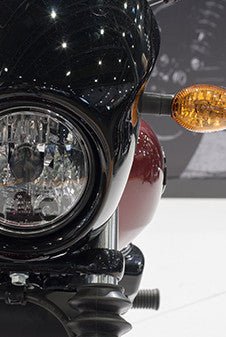
When it comes to motorcycle performance, every detail counts, and fairings play a crucial role in boosting aerodynamics. Unlike cars, motorcycles expose riders directly to the elements, which can lead to drag that slows down the bike and makes handling more challenging. Fairings work to streamline this interaction with air, reducing drag and enhancing both speed and stability.

How Fairings Reduce Drag
Motorcycle fairings are designed to cut through the wind, allowing for smoother airflow around the bike and the rider. By minimizing turbulence, fairings reduce the energy required to maintain higher speeds, meaning that riders can go faster with less throttle. This reduction in drag doesn’t just benefit racers; even casual riders will notice improved fuel efficiency and a smoother ride at higher speeds.

Enhancing Stability and Control
Fairings also impact handling by balancing air pressure across the bike, which enhances stability. In windy conditions, a well-designed fairing keeps the bike steady, preventing the rider from being buffeted around by strong gusts. This leads to a more comfortable and controlled ride, especially during long highway stretches or at high speeds.
The Performance Benefits for Every Rider
While race bikes often use fairings for maximum speed, fairings also benefit day-to-day riders with improved fuel economy, less wind fatigue, and a smoother, safer experience on the road. Whether you're a weekend rider or a daily commuter, adding or upgrading your motorcycle’s fairings can make a noticeable difference in performance and comfort.

Conclusion
Fairings are more than just a sleek addition to your motorcycle—they’re an essential component for enhancing performance through aerodynamics. By reducing drag and increasing stability, fairings help riders make the most of every journey.
Upgrade the look of your motorcycle and riding gear by shopping for new motorcycle Fairings, Helmets,
Boots , Goggles, Exhaust Mufflers, Top Boxes, Gloves, Backpacks, Accessories and more at KingsMotorcycleFairings.com! -
Combating Natural Deterioration on Your Motorcycle
Combating Natural Deterioration on Your Motorcycle with KingsMotorcycleFairings.com
We all know the feeling – the wind in your hair, the open road stretching before you, and the exhilarating power of your motorcycle beneath you. But just like any other machine, motorcycles are susceptible to the natural wear and tear of time.
Here at Kings Motorcycle Fairings, we want you to keep riding strong. That's why we're breaking down some of the most common ways motorcycles deteriorate naturally, and how you can keep your trusty steed feeling like new.
Corrosion Alert: As your motorcycle ages, rust becomes a bigger concern. Factors like moisture, road chemicals, and salty air from coastal areas can speed up corrosion on your frame and metal components.
Solution: Regularly inspect your motorcycle for signs of rust. Use appropriate rust inhibitors to treat any affected areas before they spread further.

The Elements Fight Back: Sun, rain, and snow – they're beautiful on a scenic ride, but harsh on your bike. Prolonged exposure can lead to faded paint, rust on metal components, and even cracked plastic fairings.
Solution: Regularly wash and dry your motorcycle after rides, especially when dealing with salt or dirt on the road. Invest in a high-quality motorcycle cover to protect it from the elements when parked.
The Moving Parts Marathon: Your motorcycle is a symphony of moving parts – chains, sprockets, bearings, and more. All this constant friction and stress take their toll. Worn-out parts can lead to decreased performance, and even breakdowns.
Solution: Don't neglect your regular maintenance! Regularly lubricate your chain, tighten components as needed, and replace worn parts before they become a bigger problem.
The Electrical Enigma: Modern motorcycles rely on complex electrical systems. Unfortunately, exposure to moisture, dust, and vibration can lead to corroded connections, loose wiring, and malfunctioning components.
Solution: Regularly check and clean your electrical connections, especially after riding in harsh conditions. Store your motorcycle in a dry environment whenever possible.

The Tire Test of Time: Your tires are the only thing connecting you to the road, so keeping them in top shape is crucial. Over time, the rubber compound degrades, reducing traction and compromising safety.
Solution: Regularly check your tire tread depth. Don't wait until they're completely bald! Replace your tires before they become a safety hazard.
The Fluid Flow Fades: Engine oil, coolant, and brake fluid – all vital fluids keeping your motorcycle running smoothly. But these fluids degrade over time, losing their effectiveness.
Solution: Regularly check and replace your motorcycle's fluids according to the manufacturer's recommended schedule. This ensures proper lubrication and optimal performance.
Ride On, with Kings Motorcycle Fairings!
By taking these steps to combat natural deterioration, you can ensure your motorcycle continues to deliver the thrill of the ride for years to come. After all, a well-maintained motorcycle isn't just safer, it's the purest expression of the freedom and joy of two wheels.
Looking for more ways to keep your motorcycle looking and performing its best? Visit our online store KingsMotorCycleFairings.com for the largest selection of quality Motorcycle Fairing Kits, Helmets, Boots, Goggles, Backpacks & Accessories!
-
How to Handle Common Motorcycle Emergencies
How to Handle Common Motorcycle Emergencies By KingsMotorcycleFairings.com

Riding a motorcycle is all about freedom, speed, and the thrill of the open road. But with that comes the need for quick thinking when things don’t go as planned.
Here’s how to handle some of the most common motorcycle emergencies so you can stay safe and keep riding.
1. Flat Tires: Keep Rolling Safely
Flat tires can strike at any time, but with the right prep, you can handle them like a pro. If you feel your bike wobbling, slow down gently and avoid sharp turns. If you’re carrying a tire repair kit, find a safe spot to stop, fix the puncture, and pump some air in to get you back on the road. Don’t have a kit? Call for roadside assistance and wait in a safe spot, away from traffic.
2. Brake Failure: Stay in Control
Brake failure is every rider’s nightmare, but it’s manageable. If your brakes stop working, try pumping the brake lever to see if you can build pressure. If that doesn’t work, downshift gradually to reduce speed. Use your rear brake if possible, and if all else fails, aim for an uphill road or soft shoulder to slow down. Remember to avoid panicking—keeping your cool is your best bet.
3. Engine Stalling: Get Moving Again
An engine stall in the middle of a ride is frustrating but fixable. If your engine suddenly dies, check your fuel supply first. Sometimes it’s as simple as switching to the reserve tank. If fuel isn’t the issue, inspect your battery connections and fuses. In most cases, you’ll be able to identify the problem quickly and get back on your way.
4. Overheating: Keep Your Cool
Overheating can lead to serious damage if not addressed promptly. If you notice your temperature gauge climbing, pull over and let the engine cool down. Check your coolant levels and refill if necessary. Riding in stop-and-go traffic or extremely hot weather? Consider taking breaks to let your bike cool down and keep it running smoothly.
5. Animal Encounters: Avoiding Road Hazards
Animals can appear out of nowhere, turning your ride into an unexpected obstacle course. If an animal darts into your path, resist the urge to swerve suddenly, as this could lead to a crash. Instead, brake firmly and try to steer around the animal. Always stay alert, especially in rural areas where animals are more likely to be present.
Preparation is Key
The best way to handle motorcycle emergencies is to be prepared. Regular maintenance, carrying essential tools, and knowing how to react in a pinch can make all the difference. So, before you hit the road, take a moment to check your bike, gear up, and plan for the unexpected. After all, a well-prepared rider is a safe rider.
At KingsMotorcycleFairings.com, we know that riding is more than just a hobby—it’s a way of life. Stay safe out there, and if you need parts, fairings, or accessories, we’ve got you covered. Ride smart, ride safe!

The Team at KingsMotorCycleFairings.com wishes that you found this article helpful. If you have some extra time, we'd love for you to visit our online store for the largest selection of quality Motorcycle Fairing Kits, Helmets, Boots, Goggles, Backpacks & Accessories!
-
A Guide to Hand Waxing Your Motorcycle
A Guide to Hand Waxing Your Motorcycle by KingsMotorcycleFairings.com

Before jumping into the "how-to" of waxing your motorcycle, the team at KingsMotorcycleFairings.com wants to highlight the importance of this simple yet powerful maintenance task. Waxing your bike isn’t just about making it look shiny—though that’s a great perk! A protective wax layer helps repel dirt and dust, keeps your bike’s fairings in pristine condition, and enhances that beautiful, deep shine. Plus, once you get the hang of it, waxing becomes a quick and easy way to keep your sport bike looking its best.
Getting Ready
Before you begin waxing, it's essential to start with a clean bike. Make sure all dirt, dust, and grime have been washed away. If you're new to washing your motorcycle or just looking for some advice, check out our previous blog post, "How to Wash Your Motorcycle." Washing your bike thoroughly before waxing is crucial, as it helps prevent scratches when applying the wax. Pro Tip: Always wax your motorcycle in a shaded area. Direct sunlight can cause the wax to dry too quickly, making it difficult to spread evenly.
What you'll need
- Microfiber cloths
- Motorcycle wax
- Microfiber applicator pad (this helps evenly distribute the wax for a better finish and typically comes prepackaged with the motorcycle wax you purchase)
Time to Wax
Now that your bike is clean, it’s time to start waxing. Begin by taking a clean microfiber cloth and gently wipe away any dust that may have settled. Then, grab your microfiber applicator pad and motorcycle wax. Apply a small, quarter-sized amount of wax to the pad—remember, a little goes a long way. Using too much wax can make the process more challenging and messy, so start with a small amount and add more if necessary. Apply the wax to your bike one section at a time, working in circular motions. Don’t be alarmed if the wax leaves a dull, cloudy residue; this is normal and will disappear as the wax dries. After covering all your bike’s painted fairing pieces, let the wax dry completely in a shaded area before moving on to the final step.

The Final Step
You're almost there—just one more step! Once the wax has dried, take a clean microfiber cloth and begin wiping off the excess wax. As you do this, you’ll notice the dull residue fading away, revealing a brilliant shine. Some spots may require a bit more effort, depending on the type of wax and how much you applied. Once you’ve removed all the wax, take a moment to inspect your bike for any missed spots or streaks. If you find any areas that need a touch-up, simply repeat the waxing process on that section. And that’s it! Your bike is now ready to hit the road and dazzle everyone with its fresh, glossy finish.
The Team at KingsMotorCycleFairings.com wishes that you found this article helpful. If you have some extra time, we'd love for you to visit our online store for the largest selection of quality Motorcycle Fairing Kits, Helmets, Boots, Goggles, Backpacks, & Accessories! -
How to Properly Break in Your New Motorcycle
How to Properly Break in Your New Motorcycle by KingsMotorcycleFairings.com

You've just got your hands on a brand-new motorcycle, and we know you're eager to hit the open road. However, breaking in your new bike properly is crucial for its longevity and performance. In this blog our team at KingsMotorcycleFairings.com will go over the steps to ensure your motorcycle is ready for the adventures ahead.
1. Follow the Manufacturer's Guidelines
Every motorcycle comes with a manual outlining the manufacturer's recommended break-in procedure. These guidelines are tailored to your specific bike, so make sure to read and follow them carefully.
2. Vary Your Speed
During the first 500 miles, avoid maintaining a constant speed for long periods. Vary your RPMs to help the engine parts wear in evenly. This means alternating between city driving and open-road cruising.
3. Avoid High RPMs
For the initial 500-1,000 miles, keep the RPMs low. Over-revving can cause unnecessary stress on a new engine. Gradually increase your RPMs as you approach the end of the break-in period.
4. Change the Oil RegularlyNew engines produce more metal shavings as their parts wear together. Changing the oil at around 500 miles helps remove these particles and keeps your engine clean. Follow up with another oil change at 1,000 miles.
5. Check the Tire Pressure and Fluid LevelsRegularly check your tire pressure and fluid levels during the break-in period. Proper tire pressure ensures good traction and handling, while adequate fluid levels keep your engine running smoothly.

6. Inspect Your Bike
After each ride, give your bike a quick inspection. Look for loose bolts, leaks, and any other issues that might need attention. Catching problems early can prevent bigger issues down the road.
7. Gradual Increase in PerformanceAs you approach the end of the break-in period, you can start to push your bike a bit more. Gradually increase your speed and RPMs, but continue to be mindful of how the bike responds.
8. Enjoy the RideBreaking in your motorcycle doesn’t mean you can’t enjoy it. Take this time to get to know your new bike, how it handles, and how it feels on the road. It’s all part of the experience!
Properly breaking in your sport motorcycle ensures it performs at its best and lasts for years to come. At KingsMotorcycleFairings.com, we want you to have the best riding experience possible. Happy riding!
The Team at KingsMotorCycleFairings.com wishes that you found this article helpful. If you have some extra time, we'd love for you to visit our online store for the largest selection of quality Motorcycle Fairing Kits, Helmets, Boots, Goggles, Backpacks, & Accessories!